

u profil glass
Introduction The Slow Closing Check Valve represents a significant advancement in hydraulic control systems. Engineered to address the challenges of fluid dynamics, this valve ensures smooth operation, reduces wear and tear, and enhances system longevity. Developed by Storaen (Cangzhou) International Trading Co. , the product combines cutting-edge technology with practical design to meet the demands of modern industrial applications. Product Overview The Slow Closing Check Valve is a 300X model designed for precision in hydraulic systems. Its novel structure ensures a good sealing effect , minimizing fluid leakage and maintaining system integrity. The valve's low resistance and large flow capacity make it ideal for high-demand applications. Additionally, its long service life reduces maintenance costs and downtime. One of the standout features is its ability to control the speed of opening or closing the main valve . This functionality allows for adjustment to the best working condition based on site-specific requirements. By leveraging the water hammer phenomenon , the valve achieves slow-closing muffling , mitigating pressure surges and protecting downstream components. Key Features and Advantages Advanced Sealing Technology : Ensures minimal leakage and optimal performance. Low Flow Resistance : Enhances system efficiency and reduces energy consumption. Adjustable Operation Speed : Tailors performance to specific application needs. Water Hammer Mitigation : Prevents damage from pressure surges, extending system lifespan. Durable Construction : Built to withstand harsh industrial environments. Technical Specifications Parameter Specification Model 300X Slow-Closing Check Valve Flow Rate Up to 1000 GPM (depending on size) Pressure Range 0-150 psi Material Stainless Steel, Brass, or Cast Iron Operating Temperature -20°C to 120°C Sealing Mechanism Double-Acting Piston with EPDM Seals Adjustment Range 0.1-5 seconds (customizable) Applications The Slow Closing Check Valve is widely used in various industries, including: Water Supply Systems : Prevents backflow and pressure fluctuations in municipal water networks. Industrial Pumps : Ensures smooth operation of centrifugal and positive displacement pumps. HVAC Systems : Regulates fluid flow in heating, ventilation, and air conditioning units. Oil and Gas Pipelines : Protects against water hammer in critical infrastructure. Wastewater Treatment : Maintains system stability in sewage and effluent management. Company Background: Storaen (Cangzhou) International Trading Co. Founded in 2005, Storaen (Cangzhou) International Trading Co. has established itself as a leader in hydraulic and industrial equipment. With a focus on innovation and quality, the company serves clients across North America, Europe, and Asia. Their expertise in hydraulic check valve types and hydraulic check valve types ensures that their products meet the highest industry standards. Storaen's commitment to check valve types and applications is reflected in their rigorous testing and continuous R&D investments. The company adheres to international certifications such as ISO 9001, guaranteeing product reliability and customer satisfaction. Industry Standards and NIST References The design and performance of the Slow Closing Check Valve align with National Institute of Standards and Technology (NIST) guidelines for fluid dynamics and pressure control. NIST's research on hydraulic systems and water hammer mitigation provides a foundational framework for the valve's engineering. For instance, NIST's Standard Reference Material (SRM) for fluid flow measurements ensures that the valve's specifications meet precise industry benchmarks. According to NIST, "Accurate measurement and control of fluid dynamics are critical for the efficiency and safety of industrial systems" ( NIST.gov ). The Slow Closing Check Valve exemplifies this principle by integrating advanced flow regulation techniques. Conclusion The Slow Closing Check Valve by Storaen (Cangzhou) International Trading Co. is a testament to innovation in hydraulic engineering. Its combination of low resistance , adjustable operation , and water hammer mitigation makes it an essential component for modern fluid systems. With a strong foundation in check valve types and applications and adherence to NIST standards, Storaen continues to deliver reliable solutions that meet the evolving needs of industries worldwide.
about
u profil glass
Replacing the Pressure Valve on Your Water Heater Water heaters play a crucial role in our daily lives, providing us with the hot water we need for showers, cooking, and cleaning. However, like any appliance, they can encounter problems over time. One common issue is a malfunctioning pressure relief valve, which is essential for preventing excess pressure buildup within the heater. In this article, we will discuss how to identify the need for a replacement and the steps involved in replacing the pressure valve on your water heater. Understanding the Pressure Relief Valve The pressure relief valve is a safety device designed to release excess pressure from the water heater. Under normal operating conditions, it allows steam or water to escape if the pressure exceeds a predetermined level, thus preventing possible explosions or damage to the unit. Typical indicators of a malfunctioning pressure relief valve include water leaking from the valve or a hissing sound coming from the heater. Signs You Need to Replace Your Pressure Relief Valve 1. Visible Water Leakage If you notice water pooling around the valve or drips coming from it, this could indicate that the valve has failed and needs replacement. 2. Excessive Pressure Release A valve that frequently releases water, even when the heater is not under heavy use, can signify that it is no longer functioning correctly. 3. Old Age If your water heater is more than 5-10 years old, it’s a good idea to inspect the pressure valve, as it may have reached the end of its life cycle. 4. Discoloration or Corrosion If you see rust or corrosion on the valve, it might be time to replace it to prevent further complications. Steps to Replace the Pressure Relief Valve replacing pressure valve on water heater Tools and Materials Needed - Adjustable wrench - Teflon tape - Bucket or towel for spills - New pressure relief valve (ensure it matches the specifications of your existing one) Step 1 Turn Off the Water Heater Before starting any maintenance, make sure to turn off the power supply to the water heater. If it’s an electric water heater, unplug it or switch off the circuit breaker. For gas heaters, turn the thermostat to the ‘vacation’ or ‘off’ setting. Step 2 Shut Off the Cold Water Supply Locate the cold water supply valve at the top of the water heater and turn it off. This will prevent new water from entering the tank. Step 3 Drain the Tank Using a bucket or hose, drain a small amount of water from the tank to reduce pressure. There should be a drain valve at the bottom of the heater. Open it and let water flow until the pressure is adequately relieved. Step 4 Remove the Old Valve Using your adjustable wrench, carefully unscrew the old pressure relief valve from its housing. Be cautious to avoid damaging the threads. Step 5 Install the New Valve Apply Teflon tape to the threads of the new pressure relief valve to ensure a proper seal. Screw it into place, making sure it is tight but not overtightened, as that could cause damage. Step 6 Restore Water Supply and Power Turn the cold water supply back on and allow the tank to fill. Once it’s full, check for leaks around the new valve. If there are no leaks, you can restore power to the heater. Step 7 Test the Valve After everything is back in position, test the new pressure relief valve by lifting the lever. You should hear a hissing sound as water is released, indicating it’s functioning properly. Conclusion Replacing the pressure relief valve on your water heater is a manageable task that can enhance the safety and efficiency of your appliance. By being attentive to signs of malfunction and following the steps outlined above, you can ensure that your water heater continues to operate safely for years to come. If you feel uncomfortable performing this task yourself, don’t hesitate to call a professional plumber. Your safety is paramount!
-

High quality industrial productsagement

High quality industrial products
View Details -

Meet the diverse needs of customers

Meet the diverse needs of customers
View Details -

Strict quality control

Strict quality control
View Details -

Top raw materials

Top raw materials
View Details -

Trusted supplier

Trusted supplier
View Details
Our application

news and information

Välineet tarkkuusmittaamiseen syvyysmittari 18-35 mm halkaisijalle
Dial bore gauge on yksi tärkeimmistä työkaluista tarkkuusmittauksessa teollisuudessa, erityisesti ku
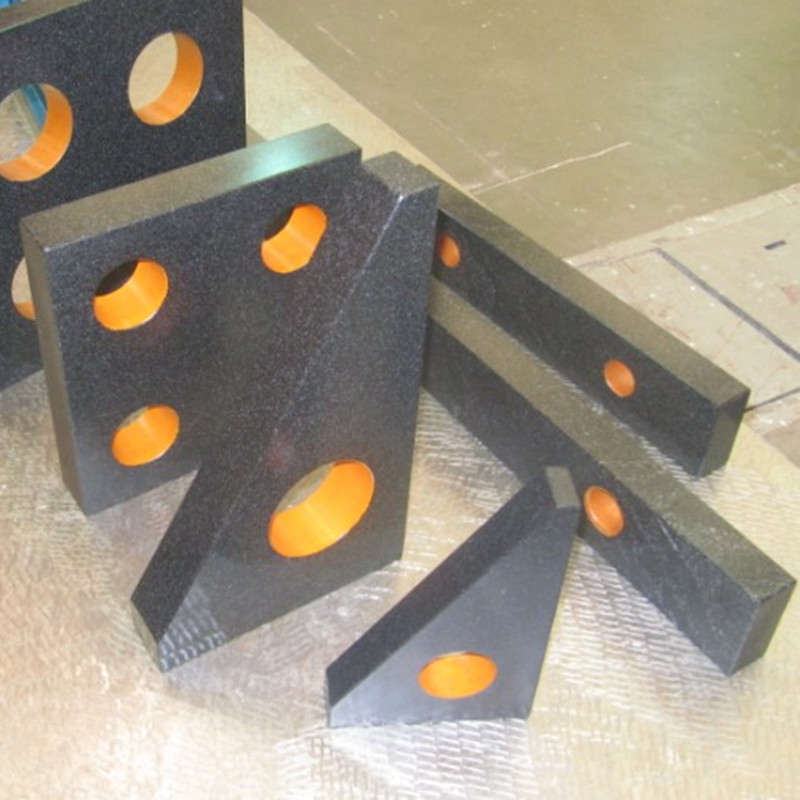
Welding Table Cast Iron Surface Finish Guide
As a wholesaler in the welding equipment industry, understanding the intricacies of welding table ca
Various Types of Control Valves and Their Practical Applications in Industry
Control Valve Types and Applications Control valves are critical components in various industrial pr
 English